Category:

Educate

How Nature-Based Learning Supports Children

How Nature-Based Learning Supports Children

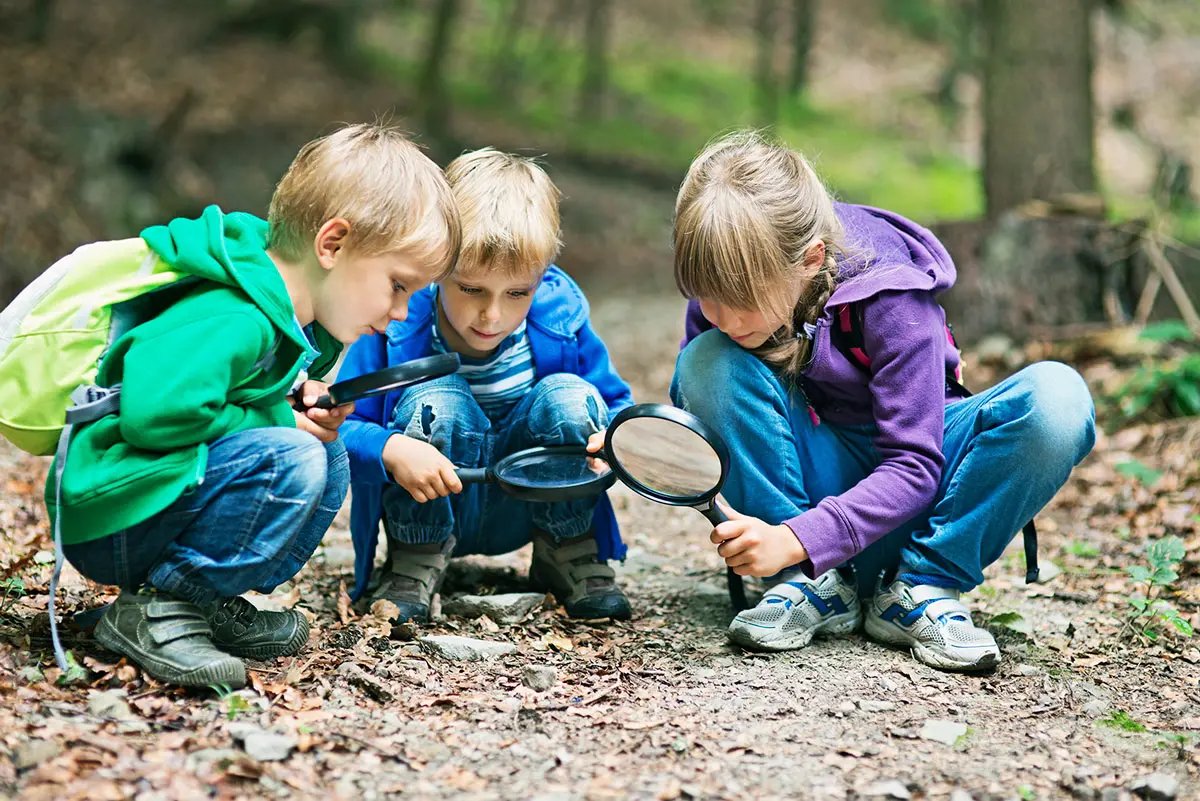
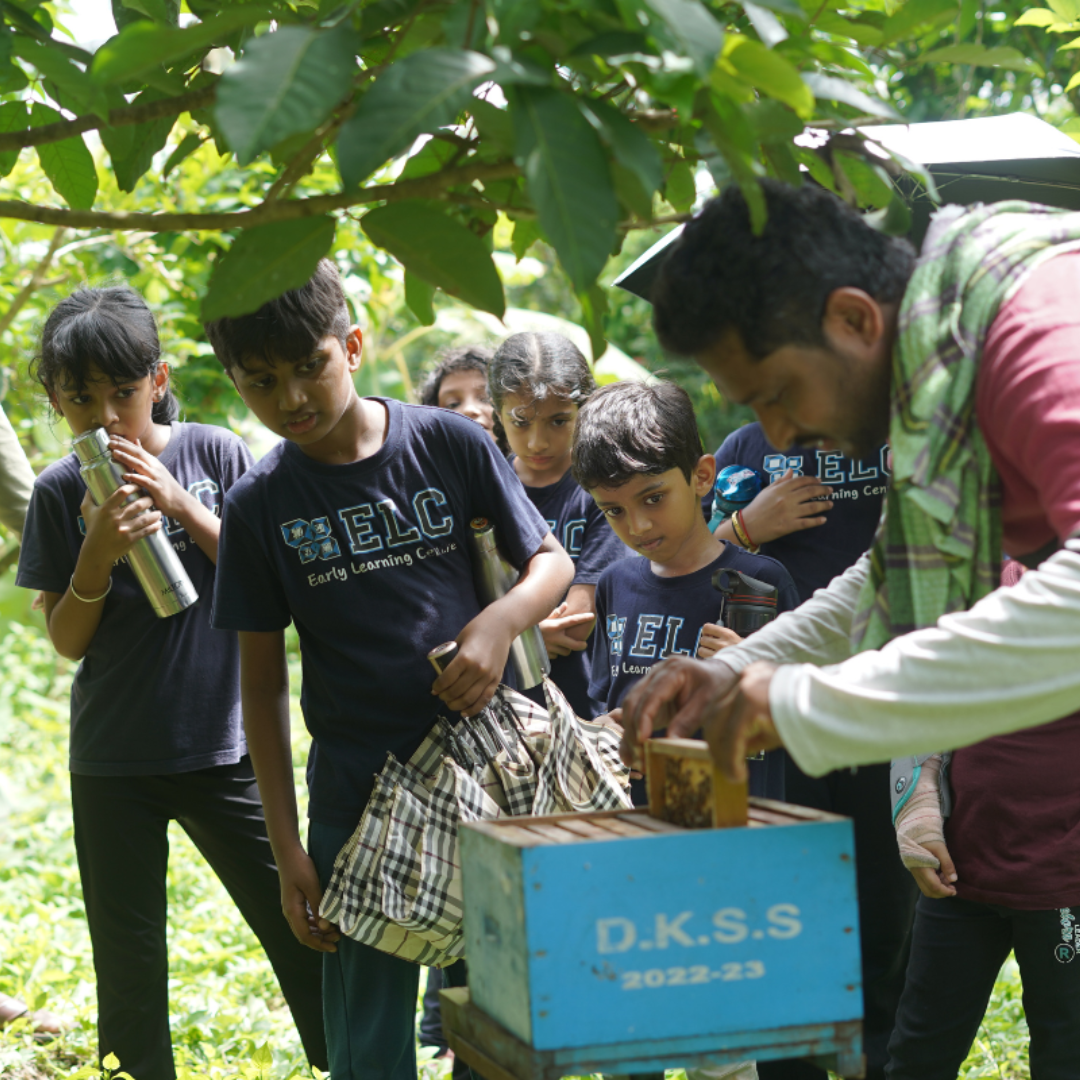
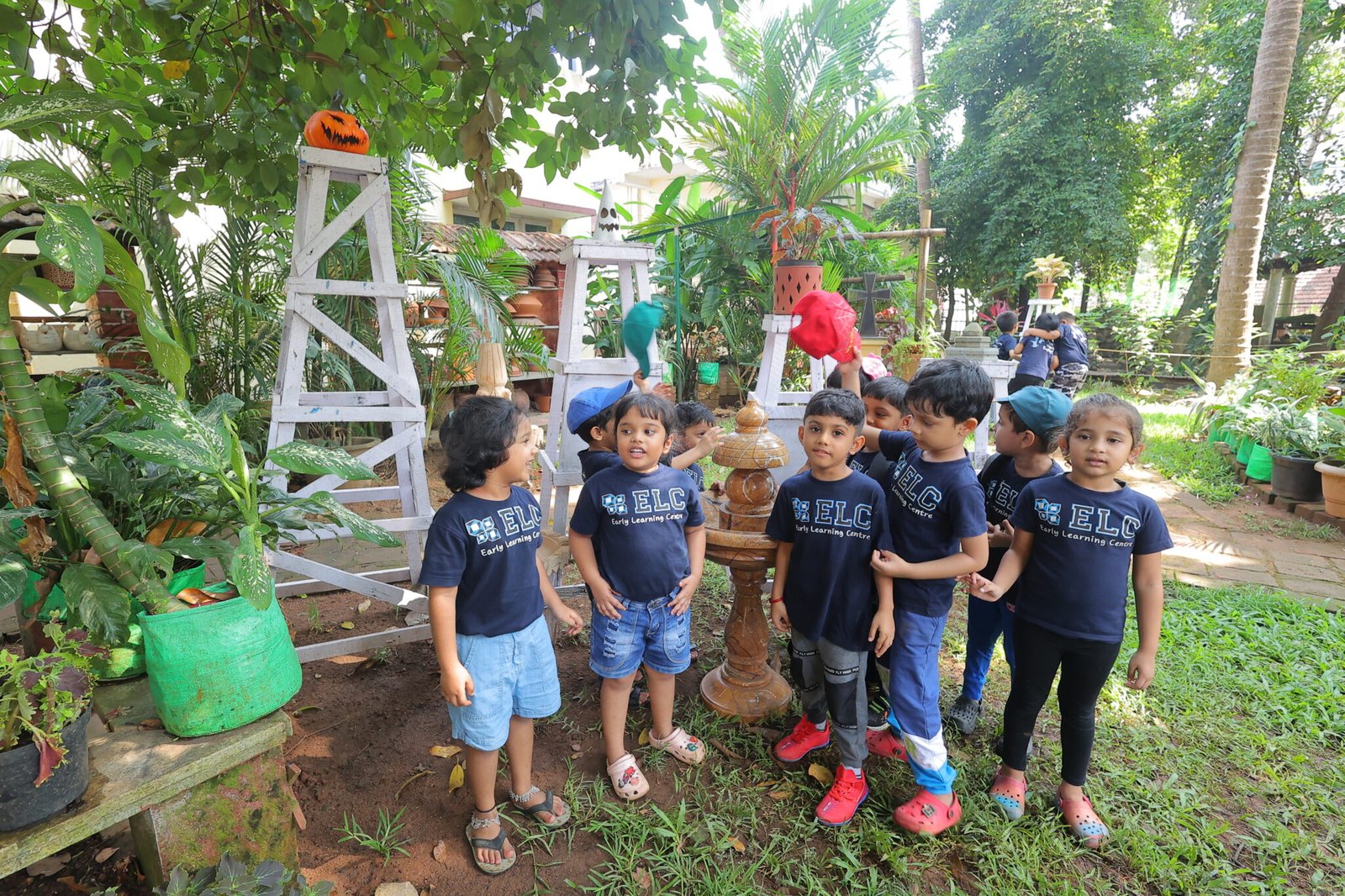
How nature-based learning supports children becomes clear the moment you take them outdoors away from a screen or at a desk, but in contact with real ecosystems, real curiosity, and real questions. At ELC, a school built around nature-based learning in Mangalore, this isn’t an occasional field trip. It’s a curriculum. What Is Nature-Based Learning in Mangalore? This approach uses the natural world plants, animals, weather, ecosystems as the primary material for a child’s education, rather than an occasional supplement
Continue reading ➝
play-based learning

Play Isn’t the Opposite of Learning: What Play-Based Learning Really Means

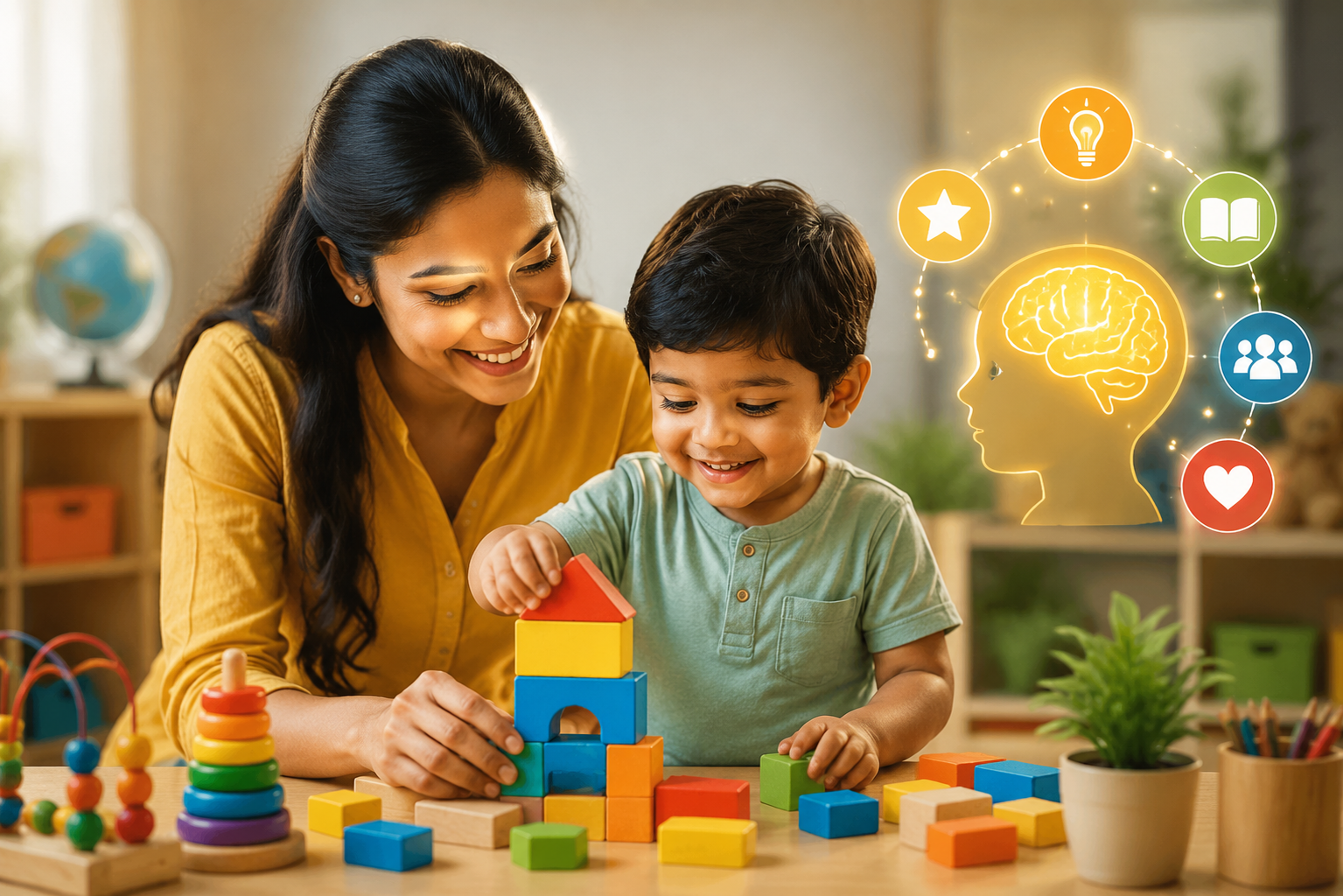
Play-based learning can look surprisingly simple: Walk into a room where four-year-olds are pouring water between jugs, arguing over who gets the red block, or building a wobbly tower for the third time and it can look, to an untrained eye, like nothing much is happening. At ELC, a play school in Mangalore built on this philosophy, we’d say the opposite. This is the work of childhood. Play-based learning is often mistaken for “just play” something schools do before the

Continue reading ➝
Montessori-inspired learning

BENEFITS OF PLAY-BASED LEARNING IN EARLY CHILDHOOD

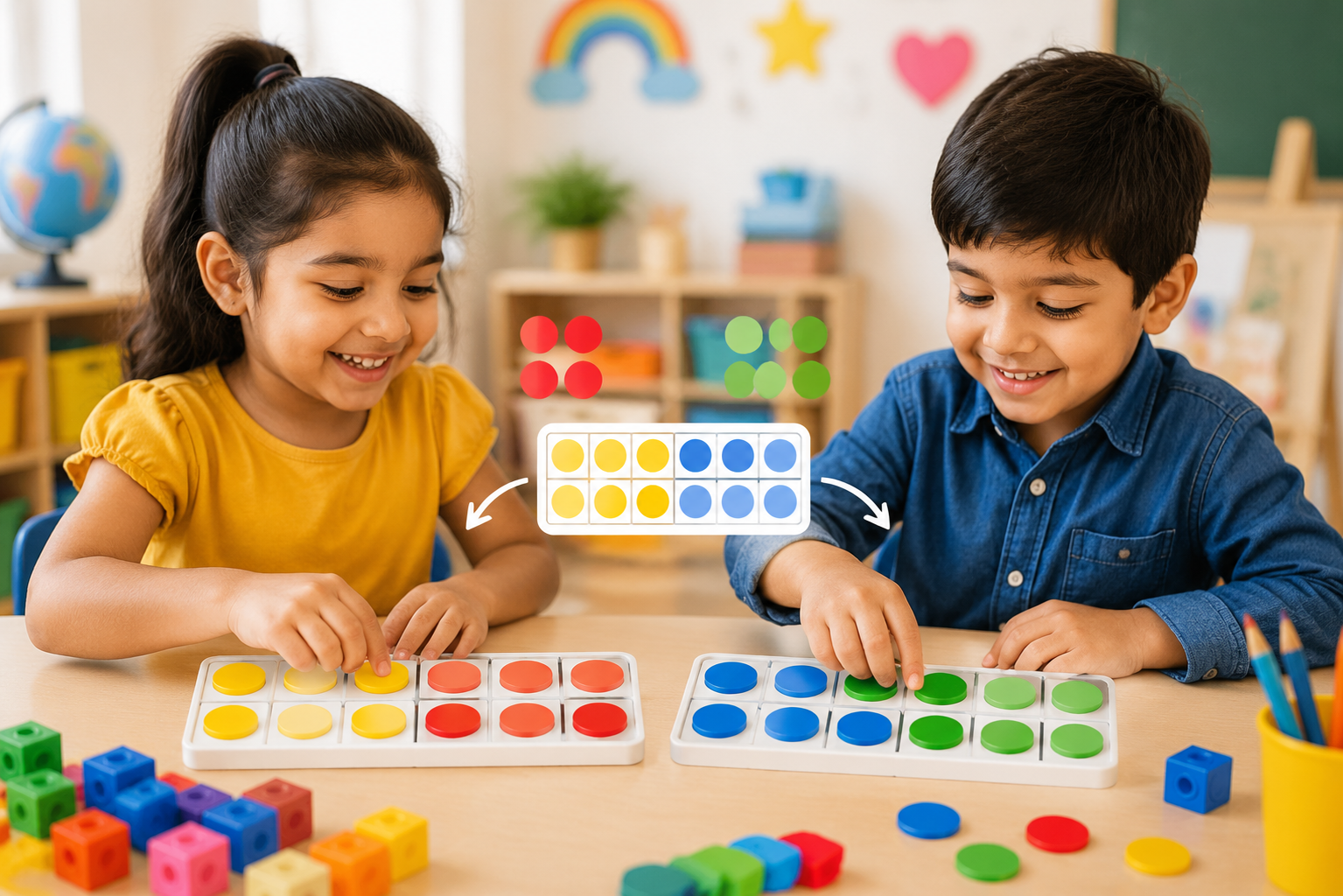
The early years of a child’s life are an important period for learning, growth, and development. Children naturally learn by observing, exploring, asking questions, and interacting with the world around them. The benefits of play-based learning in early childhood include improved communication, creativity, confidence, social skills, coordination, and problem-solving abilities. Instead of depending only on formal classroom lessons, children can learn through games, storytelling, building, drawing, puzzles, role-play, music, and outdoor activities. These experiences make learning enjoyable while allowing children

Continue reading ➝
Montessori-inspired learning

What Is Montessori-Inspired Learning?

Montessori-Inspired Learning: What It Really Means for Your Child Montessori-inspired learning is an approach to early education where children build understanding through exploration, hands-on learning, and activities matched to their own pace and interests rather than through instruction alone. Walk into a classroom built this way and you won’t find rows of desks facing a teacher. You’ll find a child choosing their own work, returning to a material they haven’t mastered yet, or quietly showing a younger classmate how something

Continue reading ➝
how to choose the right preschool in Mangalore

How to Choose the Right Preschool in Mangalore for Your Child

How to choose the right preschool in Mangalore is an important question for every parent preparing their child for their early learning journey. Preschool is more than just a place where children spend a few hours each day it is where they begin developing social skills, communication, confidence, independence, creativity, and a positive attitude toward learning. With many options available, choosing the right preschool in Mangalore can sometimes feel overwhelming. Every preschool may have different teaching methods, facilities, activities, and

Continue reading ➝
growth mindset for children

The Secret to Raising Smart Kids

7 Secrets to Raising Smart Kids with a Growth Mindset Growth mindset can change the way children approach learning, challenges, mistakes, and success. Instead of believing that intelligence or talent is fixed, children with a growth mindset learn that their abilities can develop through effort, effective strategies, practice, and persistence. More than three decades of research has explored how people’s beliefs about intelligence and ability influence motivation and achievement. 1. Why a Growth Mindset Matters Many people believe that superior

Continue reading ➝

Why stress on early education?

Is your kid old enough to join formal schooling? This has always been a debatable question for both the parents as well as professionals. However, research suggests that starting early education in the right environment with the right teacher, kindles the love for lifelong learning. Young children learn from simple things that they see, hear, smell, taste and work. They learn from interactions and from places they visit. Their minds are inquisitive and always on the lookout for new things

Continue reading ➝

Parent Volunteer Saturdays: Turning Your Talents and Skills into Classroom Magic

There’s a split-second every parent treasures: you walk into your child’s classroom and their whole face lights up. That glow is more than pride; it’s proof that children learn best when the people who love them step inside their learning world. Research backs up the feeling: a 2019 American Psychological Association review of 448 studies found that strong family involvement raises both grades and motivation and newer meta-analyses confirm the link across every primary-school subject. Why Volunteering—Even When Life Gets

Continue reading ➝
Montessori-inspired learning

WHY DO WE TEACH CVC WORDS?

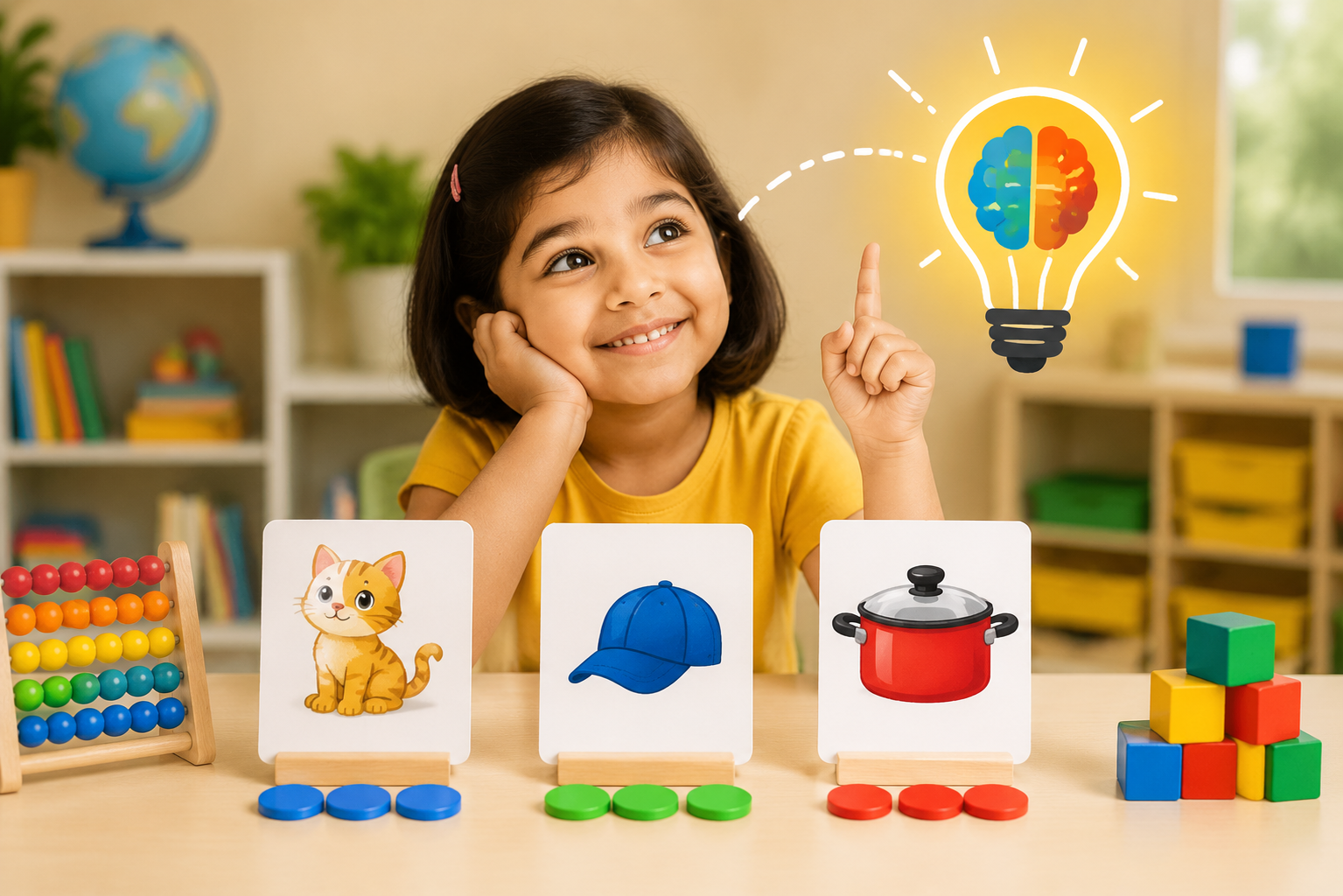
If you are a kindergarten teacher or a parent of a kindergartner, you know you need to teach your kids how to read and write CVC words. If you are asking yourself, “what is a CVC word?” or “how do I teach CVC words?” then this post is for you! I am going to share what CVC words are, how to teach them, and fun activities your students can use in the classroom to practice reading and writing CVC words.

Continue reading ➝
Play School in Mangalore

The Silent Journey: What Parents Discovered When They Stepped into a Montessori Classroom Without Saying a Word

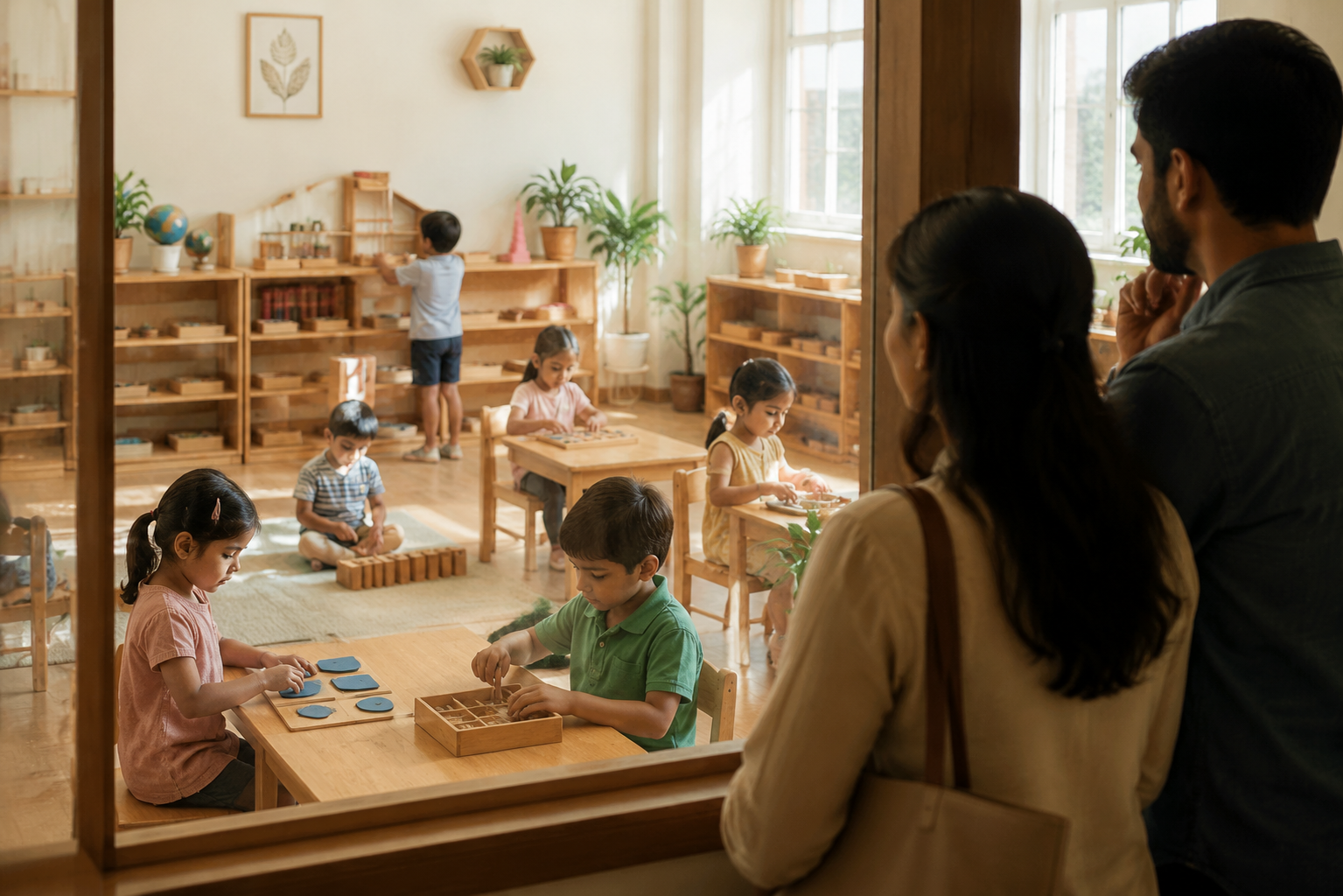
“I finally understood why my child rolls that little mat so carefully.”That’s what one parent whispered after the session, still barefoot and wide-eyed, walking out of our Primary Montessori environment this morning.   No lectures. No presentations. No teacher-led tours.   Just silence and the freedom to explore.   This is what we call the Silent Journey, a powerful ELC experience that invites parents to walk through the same classrooms their children do, but with one unique guideline: no talking.   Why?

Continue reading ➝