Why Scientific Thinking Matters In Early Childhood
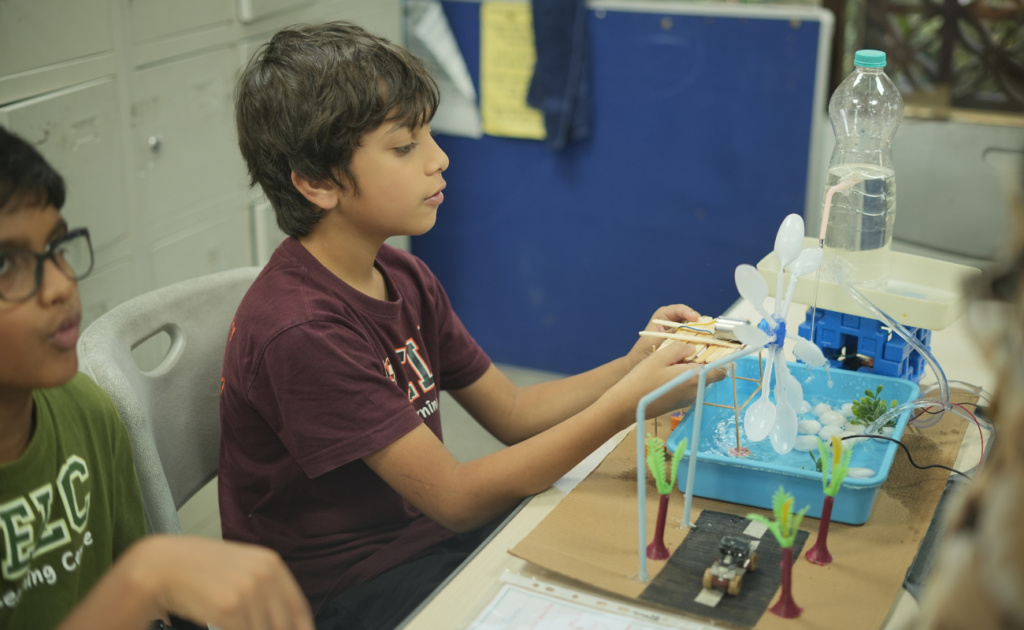
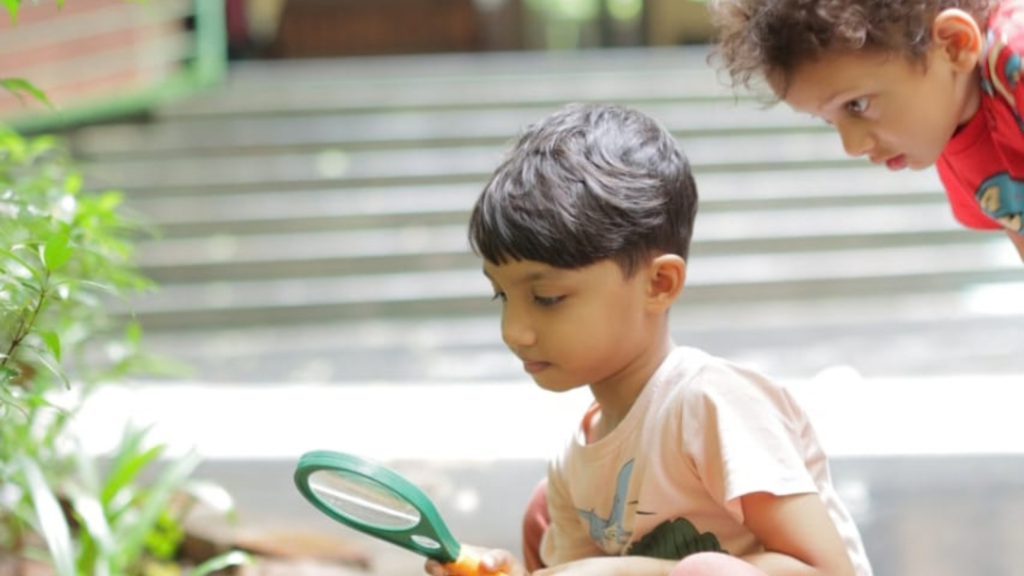
Scientific thinking in early childhood helps children understand the world through curiosity, observation, questions, exploration, and simple experiments. Young children naturally want to know how things work. They ask questions, observe changes, compare objects, and try different ways to solve problems. These everyday experiences are the beginning of scientific learning. Children do not need complicated equipment or advanced scientific concepts to develop scientific thinking. A simple activity with water, blocks, plants, leaves, or toys can encourage them to observe,
Toddlers and Screentime: What Parents Need to Know
Screens are everywhere—phones, TVs, tablets—and they often feel like lifesavers for busy parents. Need to get dinner on the table? A cartoon keeps your toddler quiet. Struggling to feed them? A video distracts them long enough to eat. Want them to sleep? A lullaby app does the trick. But while screens can feel convenient in the moment, too much exposure in the early years can cause long-term challenges for your child’s growth and development. Why Early Years Matter So Much
Homework vs. Home Work: Why Less Is More in the Early Years
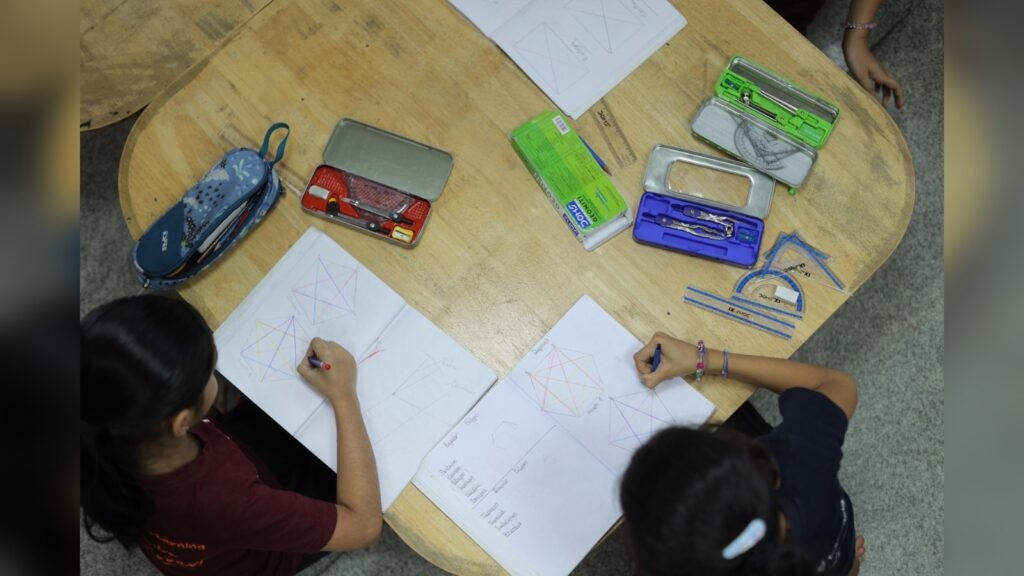
It’s a common question we hear at pick-up: “Can my six-year-old child work on some worksheets to understand what was learnt in school?” While the intention comes from a good place, research and years of experience with children suggests that worksheets are not always the most effective way to deepen understanding, especially for young learners. What the evidence actually says?? Minimal academic payoff in primary grades. Professor John Hattie’s global database finds homework has “zero effect” on learning before roughly Grade 6. Impact varies